Small Knob, Big Impression: A Manufacturer’s Perspective on Design Details
Small Knob, Big Impression: A Manufacturer’s Perspective on Design Details
A knob may be one of the smallest components on a product, but it can become one of its most memorable details.
Recently, we came across a collection of inspiring knob designs on keyboards, audio equipment, cameras, and industrial control panels. Some were understated and minimal. Others featured bold colours, textured metal edges, or clearly marked scales.
What caught our attention was not simply how they looked. It was the care behind each detail—and how those details contributed to the product’s overall character.
At RIX, we approach these designs from a manufacturing perspective. We enjoy exploring how a visual idea can become a physical component that looks right, fits properly, and feels considered.
More Than a Control
When we look at a knob, we see more than a part that turns.
We see a small but important meeting point between the user and the product.
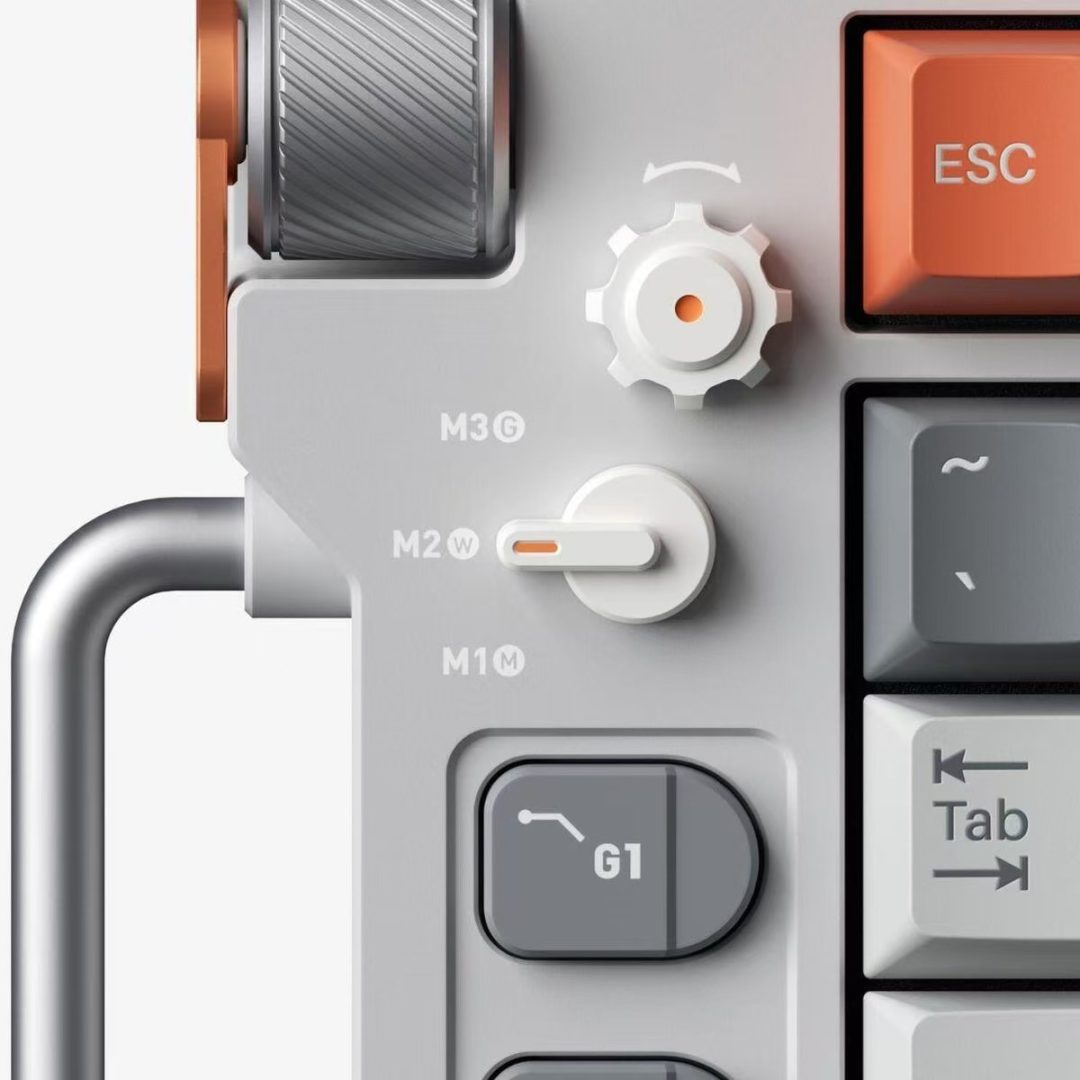
A clean indicator line can give a design a sense of clarity. A textured edge can suggest precision and control. A bold accent colour can turn a functional component into a visual focal point.
Different designs communicate different intentions:
- Quiet and understated.
- Technical and precise.
- Friendly and playful.
- Bold and industrial.
This is what makes knobs such an interesting source of inspiration. A relatively simple component can carry a surprisingly strong design identity.
The Details That Caught Our Attention
Across the designs we recently collected, several themes stood out.
Textured Edges
We were drawn to designs that use patterns, grooves, and contrasting surfaces thoughtfully.
Some feature a deeply textured perimeter with a smooth top face. Others use finer detailing for a more restrained appearance.
From our perspective, the interesting question is not only what the pattern looks like in a rendering. It is how faithfully that detail can be carried through into a finished part.
Materials and Finishes
We also noticed how designers use material and finish as part of the visual language.
A dark finish paired with a bright indicator. A metallic surface set against a plastic enclosure. A coloured knob that stands apart from an otherwise neutral control panel.
These combinations remind us that material selection and surface finishing should be considered alongside geometry—not treated as an afterthought.
Markings and Visual Balance
Some of the most compelling examples were also the simplest.
A carefully positioned line, a restrained scale, or a well-proportioned top surface was enough to make the component feel intentional.
For us, these designs highlight an important idea: precision is not always about making something more complex. Sometimes, it is about giving each detail a clear purpose.
Looking at Design Through a Manufacturing Lens
When we see an inspiring component, we naturally start asking questions about how it could be made.
For a knob, our questions might include:
- What material best matches the intended appearance and application?
- How should the external texture be represented in the manufacturing drawings?
- Which surfaces are visually important?
- How does the knob connect to the shaft or mating component?
- What clearances are needed around the surrounding enclosure?
- Which dimensions and tolerances need particular attention?
- What reference sample or finish standard will define an acceptable result?
These questions are not intended to limit a design. They help turn its intent into something that can be reviewed, quoted, manufactured, and inspected.
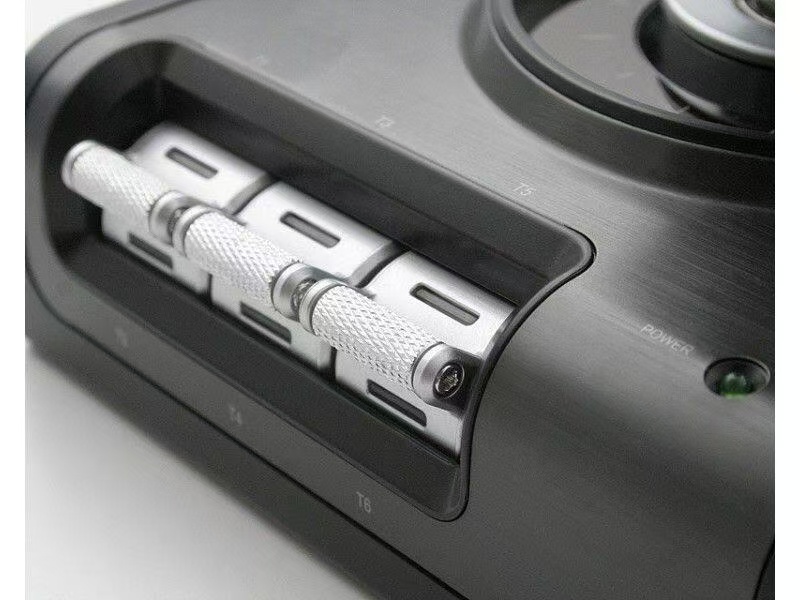
The goal is to preserve what makes the design appealing while making the requirements clear.
From Visual Inspiration to a Physical Prototype
A collection of reference images is a useful starting point. The next step is deciding which qualities matter most for the actual project.
Is the priority the silhouette? The surface texture? The colour? The relationship between the knob and the surrounding panel?
At RIX, we welcome these early conversations. Customers may come to us with a complete 3D CAD model, a 2D drawing, a sketch, a physical sample, or a collection of visual references.
Our role is to help clarify the manufacturing requirements and support the transition from concept to physical parts.
For a knob project, that conversation can cover:
- Material options.
- Manufacturing approach.
- Surface finish expectations.
- Shaft interfaces and assembly details.
- Prototype requirements.
- Small-batch production needs.
We also believe it is important to distinguish the knob itself from the complete control assembly. When a project includes requirements for rotational resistance, detents, or a particular tactile response, those expectations should be discussed alongside the mating mechanism—not left to appearance alone.
Manufacturing Support That Respects the Design
The knob designs we recently discovered are a reminder of why we enjoy working with designers and engineers.
Even a small component can bring together appearance, usability, material choices, and assembly considerations.
At RIX, we provide custom manufacturing support through CNC machining, injection molding, rapid prototyping, surface finishing, and assembly. We work with customers to develop physical parts from their drawings, CAD files, sketches, and samples.
Whether the project involves a distinctive control knob, a custom housing, or a complete assembly, our focus is the same: understanding the details that matter to the customer.
Have a component you are developing? Share your design files and reference images with our team so we can discuss your prototype or production requirements.
Design inspiration note: The referenced products are examples we have come across and admire. They are not presented as products designed or manufactured by RIX. Any accompanying images should credit their original designers, brands, and sources.